Is there any PUMPKIN in PUMPKIN SPICE?

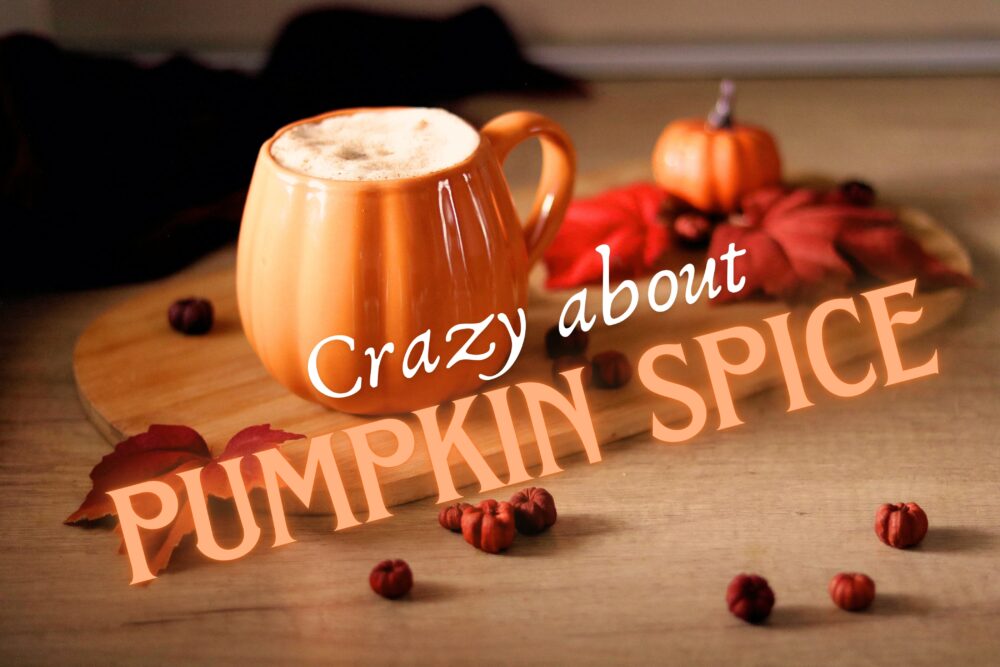
Crazy about Pumpkin Spice

“Pumpkin spice” is a super popular flavor in the USA and Canada, especially in the fall. It all started when Starbucks introduced the Pumpkin Spice Latte in 2003, but it didn’t end there. Now that the weather has turned colder, the shops are full of pumpkin-spiced products: donuts, cookies, cereals, yogurts, ice cream, and even non-edible products like candles and air fresheners (the list goes on and on). The flavor and smell is beloved, with millions of people eagerly looking forward to its return each year. It’s more than just a flavor—it’s a symbol of the season! 

So, Is There Any Pumpkin in Pumpkin Spice?

OK, no, there’s no real pumpkin in pumpkin spice. This makes sense, right? I mean, most pumpkins don’t have a powerful flavor that can compete, for example, with coffee and sugar. Instead, it’s a blend of spices traditionally used in pumpkin pie: cinnamon, nutmeg, ginger, and cloves, sometimes with a bit of allspice. Autumn is the harvest time for pumpkins, and so pumpkin pie became the ultimate autumnal dessert and the STAR of the typical American Thanksgiving dinner table. 

All this means that when you sip a pumpkin spice latte or bite into a pumpkin spice donut, you’re actually tasting the warm, cozy spices that remind people of autumn – when the weather gets chilly and you can relax by the fire. You can find similar spice blends in other countries, too, which they use for their traditional autumnal or winter baking. England has their “ground mixed spice” and in Switzerland we have our “Lebkuchengewürz”, though clearly, these spice blends have no cultural connection to pumpkins (and I doubt any of my students have ever even seen a pumpkin pie).

But wait! Pumpkin as a dessert is NOT totally foreign in Switzerland! My good friend Andie has an original Swiss recipe for pumpkin pie from 1835 on her excellent blog about Swiss cuisine. You can find the link to the recipe at the bottom of this page, after you get some bonus vocabulary for Autumn!

At this point, you might be wondering why this dessert is so popular, but almost only in the USA. Or in other words…
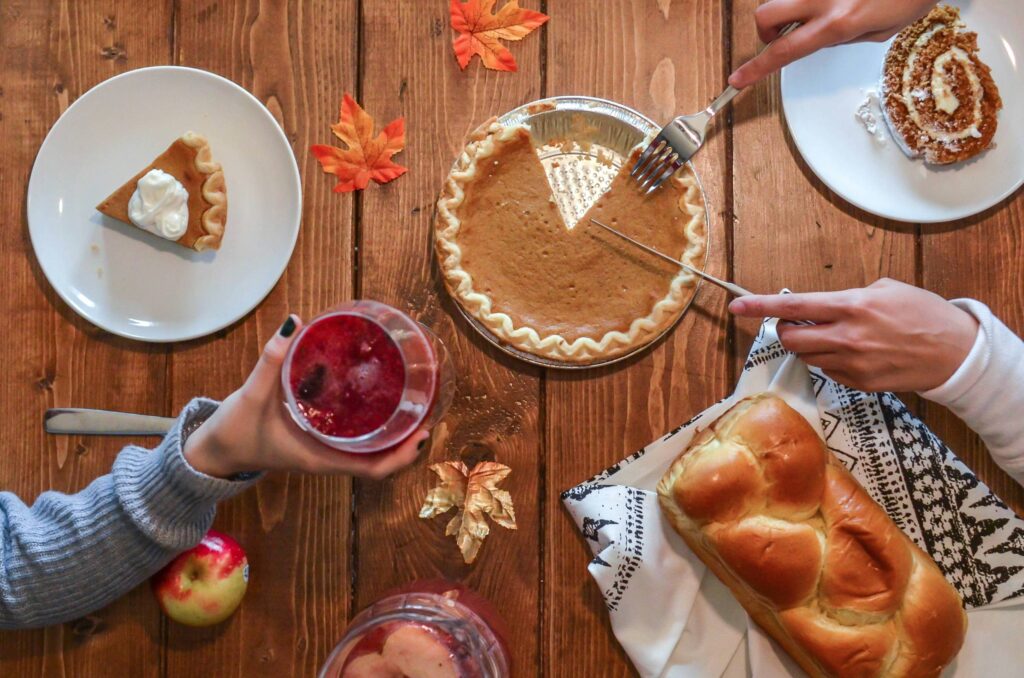
Pumpkin Pie

Why do Americans Love Pumpkin Pie so much?

Good question! First, let’s look at the history of this nobel plant. 

Pumpkins and squashes are native to the Americas, dating back thousands of years – as far back as 7,500 to 9,000 years ago – in what is now Mexico. Pumpkins were one of the earliest domesticated crops in the Americas, and now there are over 700 varieties in the pumpkin family worldwide. More than 1 billion pounds (or almost half a billion kilograms) are grown in the US alone every year! 

With such a long history, and since pumpkins can grow quite large, it makes sense that people would innovate and try new ways to eat the stuff. As soon as sugar became easily available, it was only a matter of time before the smooth and satisfying pumpkin pie was invented, with recipes appearing in cookbooks in the mid-1600s. Most Americans today buy their pumpkin in a can, pre-baked and pureed, ready to mix together with sugar and spice to make their pie filling. What many shoppers don’t know is that the beautiful orange puree is not from the round orange pumpkin on the label, but actually from other winter squashes, like butternut squash.

Is Pumpkin the Same Thing as Squash?

Well, all pumpkins are squashes, but not all squashes are pumpkins. The word “squash” is the general word for lots of types of vegetables. It comes from the Native American word “askutasquash,” which means “eaten raw or uncooked.” I find this funny, because who eats pumpkins raw?? But both pumpkins and squashes belong to the Cucurbitaceae family, which includes a variety of gourds, squashes, and cucumbers – and I definitely eat raw cucumbers.

Are Pumpkins a Vegetable or Fruit?

Pumpkins are technically a fruit, even though they are often treated like a vegetable in cooking. Botanically, a fruit is the mature ovary of a flower, containing seeds, and pumpkins fit this definition. This is also true for their cousin, the cucumber, and also tomatoes, avocados, zucchini, etc. They develop from the flowering part of the plant and contain seeds inside their flesh, which means: pumpkins = fruit.

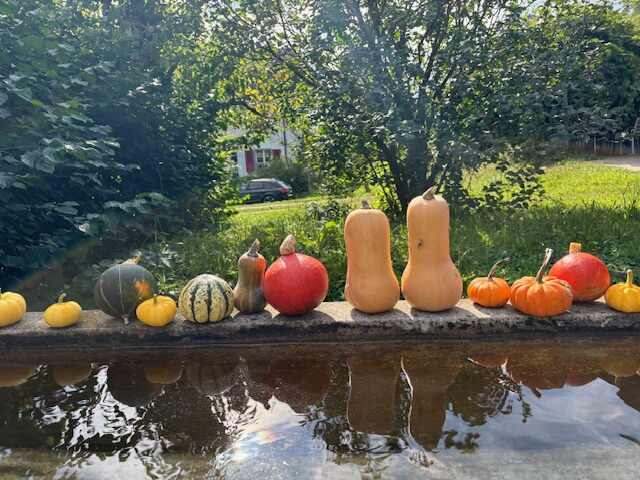
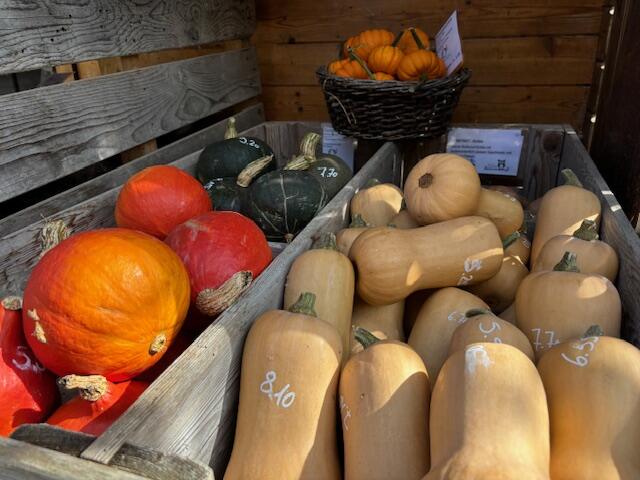
However, while they are botanically fruit, pumpkins are more commonly used as a “vegetable” in Switzerland. Unlike in America, where you can find delicious cakes, pies, muffins and cheesecakes made with real pumpkin puree, in Switzerland and the rest of Europe, pumpkins are more often used in savory soups, risottos, pasta dishes, and stews. At the moment you can find an amazing variety of pumpkins and squashes all around Switzerland at roadside stands and farm shops. Here are some photos I took last weekend at my local farm:

Pumpkins for sale
row of pumpkins

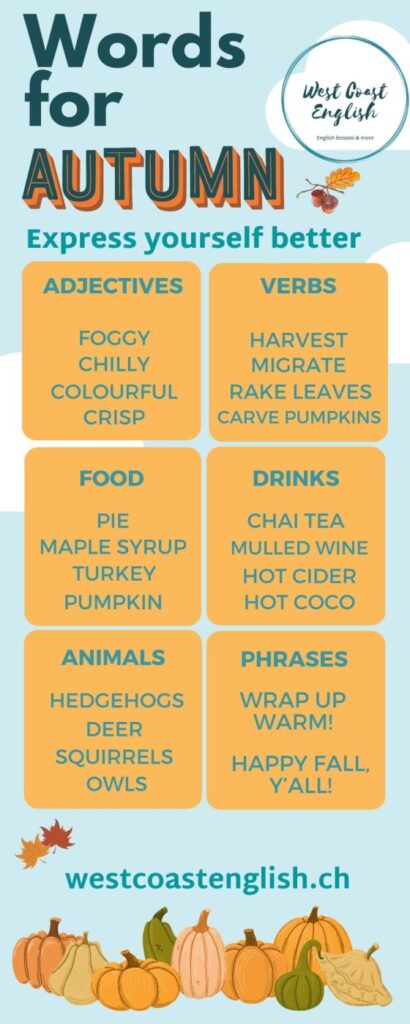
And now as reward for your hard work, here is a list of important vocabulary for this time of year!

Vocabulary for Autumn